
Dental Articles - Toronto
Composite Bonding vs. Porcelain Veneers: Pros, Cons, and How to Choose
Posted by City Oasis Dental on Tue, 20 Oct 2026
To help you choose the best cosmetic dental treatment for your smile in Toronto, compare composite bonding and porcelain veneers to see how they differ in cost, durability, treatment time, and aesthetic results.
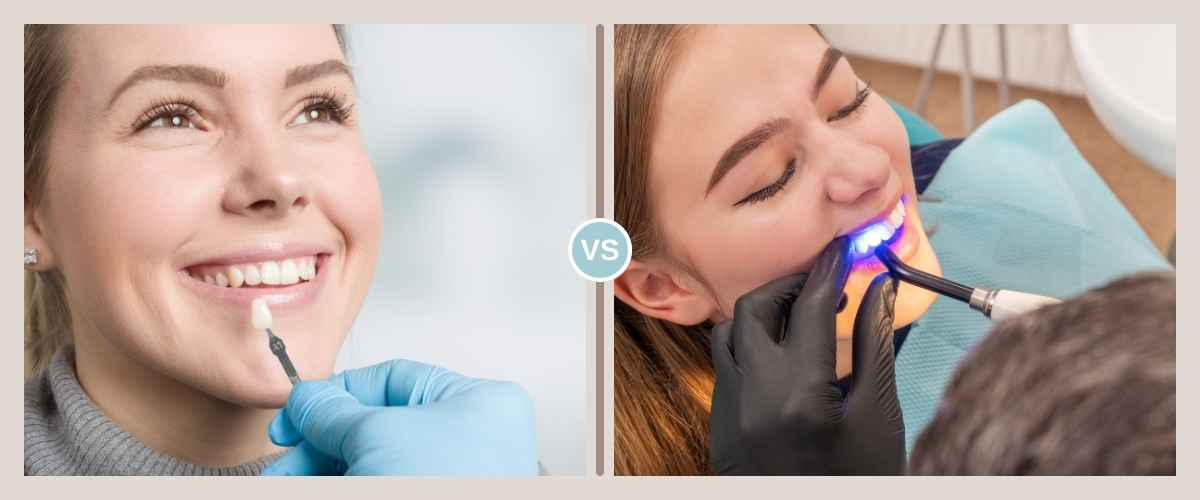
A confident smile can change how you feel in photos, at work, and in everyday conversations. In a national Leger survey of approximately 1,500 Canadians, 90% of respondents said a confident smile shapes first impressions, while 38% said they avoid smiling in photos or social settings because they feel self-conscious about their teeth. More than half—51%—said they would smile more often if their teeth were healthier or better looking.
The good news is that modern cosmetic dentistry offers more ways than ever to improve your smile. Two of the most popular are composite bonding and porcelain veneers. Both can improve the shape, colour, and symmetry of your teeth, but they differ in cost, durability, treatment time, and how much of your natural tooth is involved.
In this guide, we break down how each treatment works, the pros and cons of each, how they compare side by side, and how to decide which one best fits your goals, budget, and lifestyle.
What Is Composite Bonding?
Composite bonding is a procedure in which a tooth-coloured composite resin is applied directly to the surface of your teeth. Your dentist sculpts the resin into the desired shape, then hardens it with a special curing light and polishes it for a natural finish.
The Process
- Direct application: the resin is shaped right on your tooth, so no lab work is needed.
- Single visit: according to the Canadian Dental Association, bonding can usually be done in one visit.
- Minimal to no enamel removal: your natural tooth structure is largely preserved.
- Instant results: you leave with your new smile the same day.
Best Used For
Composite bonding is ideal for minor cosmetic fixes, including small chips, slight gaps between teeth, minor discolouration, and quick touch-ups. The Canadian Dental Association describes bonding as typically being used for smaller repairs. If your main concern is colour alone, professional teeth whitening may be worth considering first.
What Are Porcelain Veneers?
Porcelain veneers are custom-made, razor-thin shells of durable dental ceramic designed to cover the front surface of your teeth. Each veneer is crafted to match the colour, shape, and size that suit your face and smile. You can learn more in our guide to the ABCs of veneers.
The Process
Veneers are a multi-step treatment, usually spread over a few weeks:
- Consultation: your dentist reviews your goals, oral health, and candidacy.
- Enamel preparation: a thin layer of enamel is carefully removed to make room for the veneer. The Ontario Dental Association notes that tooth enamel needs to be ground down slightly to accommodate a veneer.
- Impressions or digital scans: these are used to design your custom veneers. Our digital dentistry technology helps make this step precise and comfortable.
- Temporary veneers: worn while your final restorations are being made. Porcelain veneers usually require at least two dental visits, according to the Canadian Dental Association.
- Final placement: your permanent veneers are checked for fit and colour, then bonded in place.
Best Used For
Veneers are well suited to comprehensive smile makeovers, severe discolouration, larger gaps, misaligned or worn teeth, and long-term, dramatic transformations. The Canadian Dental Association notes that veneers cover the entire front surface of the tooth and can address chipped, cracked, discoloured teeth and gaps. If your teeth are significantly crooked, you may also want to explore Invisalign before or instead of veneers. To see what these treatments can achieve, browse our before and after case gallery.
Side-by-Side Comparison: Pros & Cons
Pros
- Highly budget-friendly up front
- Completed in a single dental visit
- Conservative and non-invasive, with little to no enamel removal
- Easy to repair or touch up if chipped
Cons
- Shorter lifespan than porcelain; the Ontario Dental Association describes bonding as having a limited lifespan that depends on the individual case
- Prone to staining from coffee, tea, red wine, and smoking over time
- Less natural translucency than real enamel or ceramic
Pros
- Generally longer-lasting than composite resin veneers, according to the Canadian Dental Association
- Highly stain-resistant
- Unmatched aesthetic realism, mimicking the clarity and light reflection of natural enamel
Cons
- Higher initial financial investment
- Irreversible, as a thin layer of enamel is permanently removed
- Longer process requiring at least two appointments
- Difficult to repair, as a broken veneer usually needs to be replaced
Key Factors to Consider When Choosing
Here is how the two treatments compare on the factors that matter most:
| Feature | Composite Bonding | Porcelain Veneers |
|---|---|---|
| Primary Goal | Minor spot fixes and quick touch-ups | Complete, high-impact smile redesign |
| Budget & Cost | Lower upfront cost per tooth | Higher upfront investment |
| Treatment Time | 1 appointment (same day) | At least 2 appointments over a few weeks |
| Invasiveness | Non-invasive / conservative | Minimally invasive / irreversible |
| Longevity | Limited lifespan; may need repair or replacement sooner | Generally longer-lasting than composite |
| Stain Resistance | Moderate | Superior |
Lifespan varies from patient to patient. The Ontario Dental Association describes bonding as a relatively conservative treatment with a limited lifespan depending on the individual case, while the Canadian Dental Association notes that porcelain veneers generally last longer and resist stains better than composite resin veneers. Your own results will depend on your oral habits, your bite, and how well you care for your teeth.
Bonding costs less up front, but it may need to be touched up or replaced more often. Veneers cost more initially, yet their longer lifespan can make them a strong long-term value for the right patient. Visit our financial arrangements page to learn about payment and insurance options.
How to Decide: Which One Is Right for You?
Choose Composite Bonding if you:
- Have minor cosmetic imperfections on just one or two teeth
- Need a quick, budget-conscious solution
- Want a non-invasive treatment that keeps your natural tooth structure intact
Choose Porcelain Veneers if you:
- Want a dramatic, full-arch smile transformation
- Prefer a permanent, long-term investment
- Want maximum stain resistance and high-end aesthetic realism
Whichever you choose, good habits help your results last. Brush twice a day, floss daily, avoid using your teeth to open packages, and keep up with regular checkups and professional cleanings.
Conclusion
Both composite bonding and porcelain veneers offer excellent paths to a beautiful smile. The right choice depends on your goals, your budget, and the health of your teeth and gums. Bonding is a fast, affordable way to fix small concerns, while veneers deliver a durable, highly natural-looking transformation for those ready to invest in a more complete result.
Ready to Explore Your Options?
The best way to know which treatment is right for you is a professional consultation with a cosmetic dentist. At City Oasis Dental in downtown Toronto, Dr. Jennifer Lai can evaluate your candidacy, discuss your goals, and create a personalized treatment plan. New patients are welcome, and you can learn what to expect at your first visit.
Sources
- Leger survey commissioned by 123Dentist, More Than Half of Canadians Say They Would Smile More With Healthier Teeth (national survey of approximately 1,500 Canadians, 2025)
- Canadian Dental Association, Bonding & Veneers
- Ontario Dental Association, Cosmetic Dentistry
Dentist Toronto
Book a Hygiene Appointment
Schedule Your Dental Hygiene Appointment in Today!
Book a Hygiene AppointmentRequest an Appointment
City Oasis Dental offers the ability to request your dentist appointments online. Schedule an appointment now!
Request an Appointment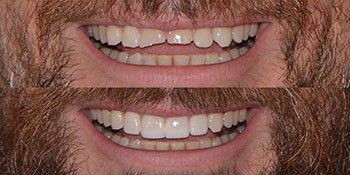
Galley of Cases
See real patient transformations in our Before and After Gallery and discover the power of quality dental care!
View Case Gallery